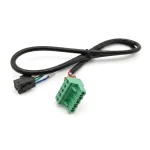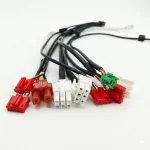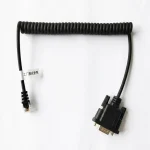
For OEM sourcing teams, the real question is not “Who can make this cable assembly cheaper?” The better question is: “Which OEM wire harness manufacturer can understand our application, control materials, validate samples, document every process, and repeat the same quality in bulk production?” That difference matters because a sample can be handmade by a senior technician, while a 20,000-piece order depends on process control, tooling discipline, operator training, incoming inspection, and production records. Tiny connector mistakes love hiding until shipment day. Very rude behavior from a tiny plastic part.
This guide explains how to evaluate a custom wire harness factory before placing OEM or ODM orders. It focuses on factory audits, certifications, sampling workflow, engineering review, QC documents, compliance direction, and supplier decision logic. Whether you are looking for a wire harness supplier China, a regional cable assembly partner, a bulk wire harness manufacturer, or a long-term project supplier, the evaluation method should be structured, evidence-based, and risk-aware.
Why Wire Harness Supplier Selection Has Become More Strategic
The wire harness industry is changing because OEM products are becoming more electronic, more compact, more regulated, and more customized. In automotive, electric vehicles and advanced driver assistance systems increase demand for high-voltage cables, signal integrity, routing accuracy, shielding, heat resistance, and traceability. In industrial automation, more sensors and control modules require stable signal transmission and ruggedized cable assemblies. In medical, energy storage, robotics, agricultural equipment, home appliances, lighting, and communication devices, harness reliability affects safety, certification, and after-sales reputation.
Public market research also points in the same direction. Several industry reports forecast continued growth in wire harness and automotive wiring harness demand through 2030 and beyond, driven by vehicle electrification, electronics integration, automation, and connected equipment. The exact market size varies by research scope, but the direction is clear: wire harness sourcing is no longer a low-level purchasing task. It is a quality, compliance, and engineering decision.
| Industry Driver | Impact on OEM Wire Harness Projects | Supplier Capability You Should Verify |
|---|---|---|
| Electrification and higher current systems | Higher demand for heat resistance, insulation performance, terminal reliability, and high-voltage safety design. | Voltage rating control, insulation selection, crimp validation, pull-force testing, and application engineering support. |
| Miniaturized electronics | Smaller connectors and tighter routing increase the risk of assembly error and poor strain relief. | Connector sourcing accuracy, fixture design, operator training, first article inspection, and visual inspection criteria. |
| Global compliance pressure | OEMs need material declarations, restricted substance control, and supplier traceability for export markets. | RoHS, REACH, UL, IPC/WHMA-A-620, ISO 9001, IATF 16949, PPAP, IMDS, and material compliance records where applicable. |
| Shorter development cycles | OEM teams need fast sampling without losing documentation control. | DFM review, sample plan, engineering communication, drawing revision control, and controlled pilot production. |
A reliable wire harness manufacturer should not only manufacture what is drawn. It should help identify risks before production: wrong wire gauge, unsuitable jacket material, insufficient bend radius, connector availability issues, terminal mismatch, unclear pinout, poor labeling, missing strain relief, or packaging that damages assemblies during transit. Good suppliers prevent trouble early. Weak suppliers quote fast, smile confidently, and then let production “discover” the problem. That is not a sourcing strategy; that is a suspense movie.
Start with the Application, Not the Quotation
Before contacting a custom wire harness factory, define the application environment clearly. A harness used inside a consumer appliance is different from one used in a construction vehicle, solar inverter, robotic arm, medical device, marine equipment, or energy storage cabinet. The environment determines material selection, test requirements, connector choice, insulation, shielding, labeling, temperature rating, IP protection, flame resistance, vibration resistance, and packaging method.
Key Application Questions to Clarify Before Supplier Evaluation
- Will the harness carry power, signal, data, control, or mixed circuits?
- What voltage, current, temperature, and operating environment will it face?
- Does the assembly require shielding, twisted pairs, grounding, or EMI protection?
- Will it be exposed to oil, moisture, chemicals, UV, abrasion, vibration, or repeated movement?
- Does the project require UL-recognized wire, RoHS compliance, REACH declaration, IPC/WHMA-A-620 workmanship, or automotive-grade documentation?
- Will you need prototype samples, pilot production, and stable repeat orders?
- What inspection documents must be provided with each shipment?
If your project is still in early development, choose a supplier with engineering support and DFM capability. If your drawings are mature and demand is stable, prioritize process consistency, production capacity, and traceability. If the product will enter regulated markets, compliance documentation becomes as important as the harness itself.
Audit Real Factory Capability Before You Trust the Sales Pitch
Many suppliers can say they are a wire harness manufacturer, cable assembly factory, OEM harness supplier, or China wiring harness manufacturer. The important part is proving what they can do repeatedly. A factory audit should check whether the supplier has the equipment, people, workflow, inspection system, and documentation habits required for your project.
Production Equipment You Should Verify
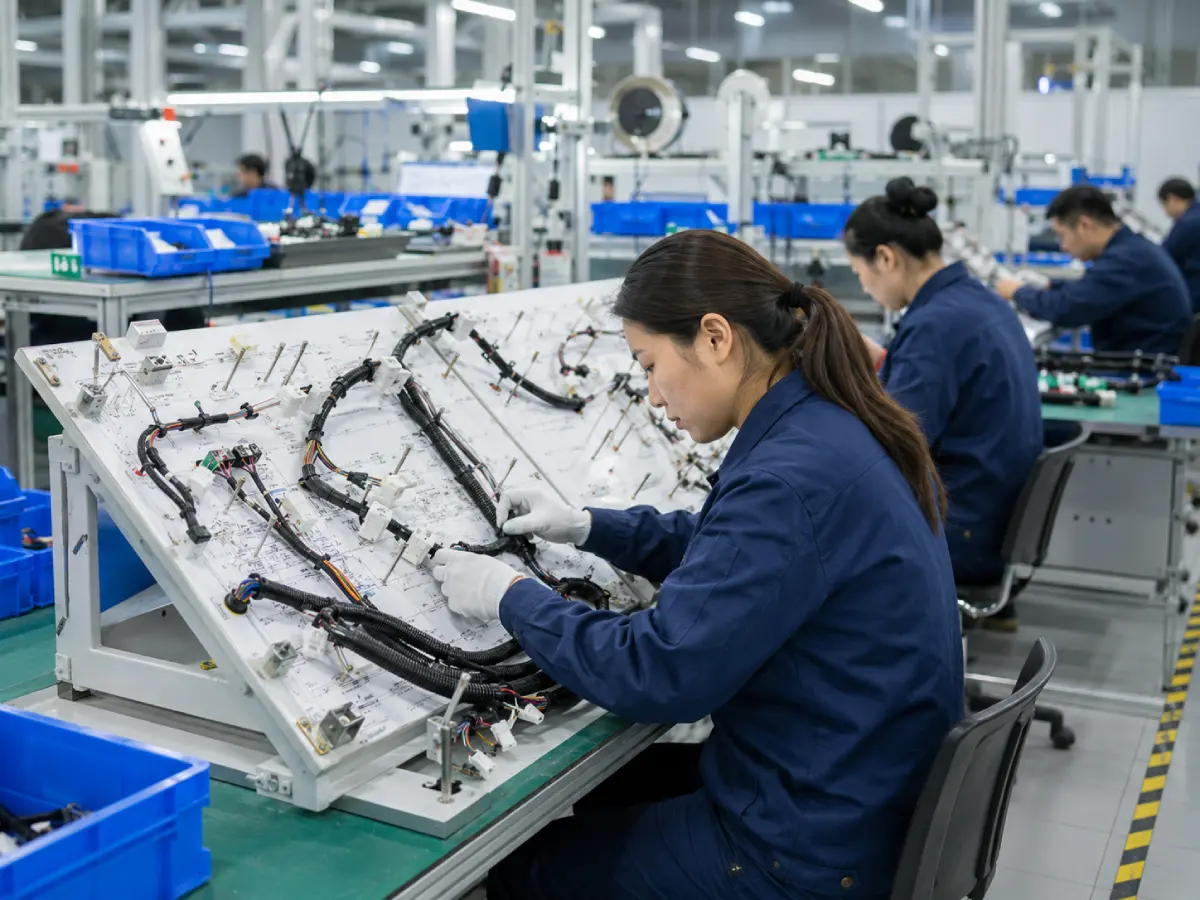
The equipment list does not need to be fancy, but it must match your product complexity. For simple cable assemblies, cutting, stripping, crimping, soldering, labeling, continuity testing, and packaging control may be enough. For complex OEM harnesses, the factory should have semi-automatic or automatic wire cutting and stripping machines, calibrated crimping equipment, applicators for specific terminals, pull-force testers, continuity testers, harness boards, ultrasonic welding capability where needed, heat-shrink processing tools, labeling systems, and final inspection fixtures.
Ask for equipment photos, calibration records, maintenance schedules, and production line videos. A real custom wire harness factory should be able to show how a harness moves from material receiving to wire preparation, crimping, sub-assembly, final assembly, electrical testing, visual inspection, packaging, and shipment. If the supplier only shows a showroom photo, keep asking. Factories do not manufacture with PowerPoint.
Operator Skill and Process Discipline
Wire harness quality depends heavily on trained operators. Crimp height, terminal insertion, solder quality, heat shrink position, label direction, cable routing, connector locking, and pinout accuracy are operator-sensitive. A reliable supplier should have work instructions, training records, inspection criteria, and supervisor sign-off procedures. For repeat orders, the same standard should be used every time, not “similar enough” depending on the shift.
Capacity and Bulk Order Stability
A bulk wire harness manufacturer should be evaluated differently from a prototype shop. Ask about monthly capacity, current utilization, number of trained operators, peak season lead time, material stocking strategy, fixture availability, and ability to split urgent orders. For long-term OEM programs, capacity planning should include sample lead time, pilot production, ramp-up schedule, safety stock, and forecast management.
| Audit Item | What to Ask | Risk If Ignored |
|---|---|---|
| Crimping process | Are crimp height, pull force, applicator setup, and terminal matching controlled? | Intermittent connection, overheating, field failure, and warranty claims. |
| Material traceability | Can wire, terminals, connectors, tubing, and labels be traced by batch? | Difficult root-cause analysis and slow recall response. |
| Testing workflow | Is 100% continuity testing performed? Are special tests available when required? | Wrong pinout, open circuit, short circuit, or unstable system performance. |
| Engineering review | Does the supplier check drawings, BOM, wire gauge, connector availability, and DFM risks? | Late redesign, sample failure, tooling delay, and cost increase. |
Check Certifications, Standards, and Compliance Documents
Certifications do not automatically guarantee perfect quality, but they show whether a supplier has a structured management system and understands market requirements. For OEM projects, you should not only ask “Do you have certificates?” You should also ask whether those certificates apply to the actual factory, product scope, and process you will use.
ISO 9001 for Quality Management
ISO 9001 is widely used as a baseline quality management standard. For a wire harness supplier, it indicates that the company has documented processes for quality management, corrective action, customer requirements, document control, and continual improvement. However, ISO 9001 alone is not enough for automotive, medical, aerospace, or high-reliability industrial projects. It is the floor, not the ceiling.
IATF 16949 for Automotive Supply Chains
If your project is related to automotive parts, EV systems, vehicle electronics, trailer harnesses, charging equipment, or mobility products, IATF 16949 awareness is important. A certified automotive OEM wire harness manufacturer should understand APQP, PPAP, FMEA, MSA, SPC, control plans, traceability, change control, and customer-specific requirements. Even if your project does not require full IATF 16949 certification, the supplier’s ability to provide PPAP-like documentation can reduce risk.
IPC/WHMA-A-620 Workmanship Criteria
IPC/WHMA-A-620 is an important reference for requirements and acceptance of cable and wire harness assemblies. It gives a common language for workmanship expectations in wire preparation, crimping, soldering, mechanical assembly, labeling, molding, potting, and inspection. For OEM sourcing, this matters because “good quality” is too vague. A standard-based acceptance criterion reduces arguments after samples arrive.
UL, RoHS, REACH, and Material Declarations
For electrical and electronic equipment, you may need UL-recognized wire or components, RoHS compliance for restricted hazardous substances, REACH SVHC information, and material declaration support. The EU RoHS framework restricts certain hazardous substances in electrical and electronic equipment, while REACH requires attention to substances of very high concern. A qualified custom wire harness manufacturer should be able to provide supplier declarations, test reports, material data, and component documentation when your destination market requires them.
| Standard or Requirement | Why It Matters for OEM Harness Buyers | Documents to Request |
|---|---|---|
| ISO 9001 | Shows whether the supplier has a formal quality management system. | Valid certificate, scope, issuing body, audit status, quality manual summary. |
| IATF 16949 | Important for automotive-grade wire harness projects and vehicle supply chains. | Certificate, PPAP documents, control plan, FMEA, traceability process. |
| IPC/WHMA-A-620 | Defines workmanship and acceptance expectations for cable and harness assemblies. | Inspection criteria, operator training records, sample acceptance checklist. |
| UL 758 / UL components | Relevant for appliance wiring materials and many electrical product applications. | UL file reference, wire specification, supplier certificate, component datasheet. |
| RoHS and REACH | Supports restricted substance compliance for export markets and regulated OEM products. | Declarations, test reports, material compliance statement, supplier data sheets. |
Evaluate the Sampling Workflow Before Mass Production
Sampling is where a supplier’s real capability becomes visible. A weak supplier treats samples as a sales tool. A reliable OEM wire harness manufacturer treats samples as a controlled engineering stage. The goal is not only to make one piece that looks correct. The goal is to confirm drawings, materials, tooling, testing, assembly sequence, packaging, and inspection criteria before bulk production starts.
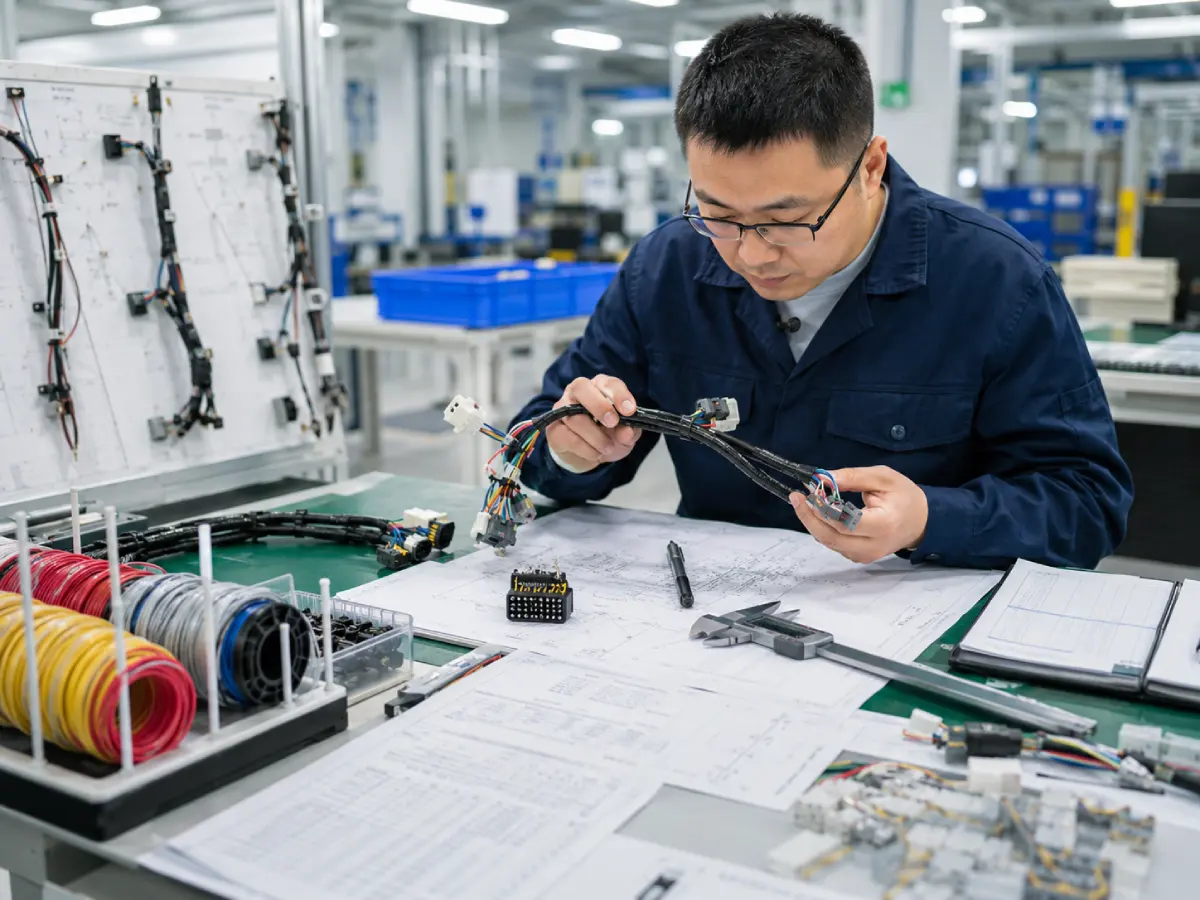
A Professional Sampling Workflow Should Include These Steps
- Requirement review: The supplier checks drawings, BOM, pinout, wire gauge, terminal type, connector model, labels, length tolerance, and application environment.
- DFM feedback: The engineering team identifies manufacturability risks, unavailable components, tolerance conflicts, assembly difficulty, or possible cost-saving alternatives.
- Material confirmation: Wire, connectors, terminals, sleeves, heat shrink tubing, cable ties, labels, seals, and protective tubes are confirmed before sample build.
- Sample production: Samples are produced using controlled process instructions instead of informal handmade methods.
- Inspection and testing: Continuity, pinout, visual appearance, length, pull force, crimp quality, labeling, and packaging are checked.
- Sample report: The supplier provides inspection results, photos, test data, deviation notes, and revision suggestions.
- Buyer approval: The OEM team approves, rejects, or requests revision before pilot production.
For complex projects, ask for a first article inspection report. If the harness is used in automotive, industrial safety, battery systems, charging devices, medical equipment, or control cabinets, a sample without test records is only half useful. It may look good, but appearance alone cannot prove electrical performance or process repeatability.
Review Engineering Support, Not Just Production Ability
Engineering support is one of the biggest differences between a trading-style supplier and a true custom wire harness factory. Many OEM buyers send incomplete drawings or early-stage design files. A strong supplier should be able to ask technical questions, identify missing details, and help optimize the design for manufacturability.
Useful Engineering Support Includes
- Wire gauge and current-carrying capacity review.
- Connector and terminal compatibility check.
- Alternative component recommendations when original parts are expensive or difficult to source.
- Harness routing and bend radius suggestions.
- Shielding, grounding, and EMI risk discussion.
- Labeling, color coding, and assembly error prevention.
- Packaging method for long harnesses, branch harnesses, and fragile connectors.
- Revision control for drawings, BOMs, and sample approvals.
This support can directly affect cost and lead time. For example, a connector that looks perfect in CAD may have a long procurement cycle. A terminal may require tooling the factory does not have. A wire gauge may be technically oversized and increase cost unnecessarily. A jacket material may fail in a chemical or high-temperature environment. A reliable supplier will not simply quote the drawing and stay silent. It will help prevent avoidable mistakes before they become expensive.
Demand QC Records, Not Verbal Promises
Quality control for wire harness manufacturing should be documented. Verbal promises are cute, but they do not help when a connector pin is wrong in 3,000 units. Before confirming a supplier, ask what QC records are generated during production and whether they can be shared with each shipment.
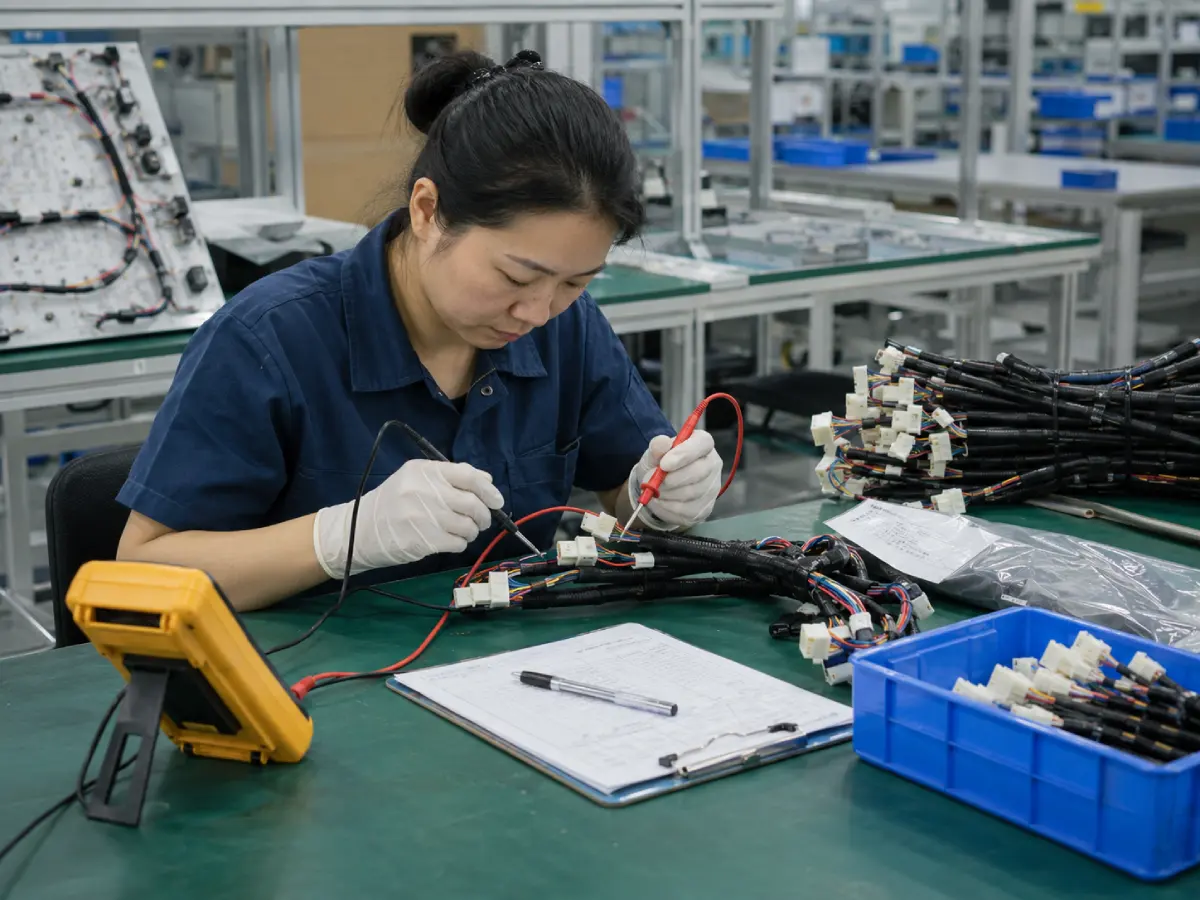
Core QC Records for OEM Wire Harness Orders
| QC Record | Purpose | Why It Helps Buyers |
|---|---|---|
| Incoming material inspection | Checks wire, terminals, connectors, sleeves, labels, and other materials before production. | Reduces risk of counterfeit parts, wrong materials, and batch inconsistency. |
| Crimp height and pull-force records | Validates terminal crimping performance and mechanical strength. | Helps prevent loose terminals, overheating, and intermittent electrical failure. |
| Continuity and pinout test report | Confirms electrical connection accuracy and identifies open or short circuits. | Protects assembly plants from system-level failures after installation. |
| First article inspection | Confirms the first production unit matches the approved drawing and sample. | Prevents mass production based on an incorrect setup. |
| Final inspection report | Records final checks on dimensions, labels, connectors, packaging, and appearance. | Creates shipment-level evidence for OEM quality files. |
The best wire harness manufacturer for OEM work is not the one that says “trust us.” It is the one that can show inspection records, corrective actions, batch traceability, and controlled change management. For international buyers, this is especially important when sourcing from a wire harness supplier China, because distance makes prevention far cheaper than after-shipment repair.
Understand the Latest Regulatory Direction Affecting Wire Harness Projects
Regulations are pushing wire harness sourcing toward better material control, safety documentation, and circular design. This does not mean every harness needs the same certification. It means buyers should choose suppliers that can respond to compliance requirements instead of treating compliance as a last-minute paperwork request.
Restricted Substance Control Is Becoming Routine
For electrical and electronic products, RoHS and REACH expectations affect wire insulation, connector plastics, sleeves, heat shrink tubing, labels, adhesives, flame retardants, and coatings. A responsible wire harness supplier should maintain compliance communication with upstream material suppliers. If your finished product enters the EU, UK, North America, or other regulated markets, poor material documentation can delay certification, customs clearance, or customer approval.
Vehicle Electrification Increases Safety Expectations
Electric-powered vehicles and high-voltage systems require stronger attention to insulation, routing, orange high-voltage identification where applicable, shock protection, battery system safety, and post-crash safety considerations. Newer EV safety rules and technical directions make it clear that harness design and installation are part of the wider safety system. For automotive and mobility projects, do not treat harnesses as simple wires. They are part of the vehicle’s nervous system. And yes, the nervous system should not be bought like office stationery.
Circular Economy and Traceability Are Rising
End-of-life vehicle policy and circular economy discussions are increasing attention on material selection, recyclability, and component data. OEMs may require better material declarations, supplier transparency, and design information in future programs. This direction favors manufacturers that can provide material traceability, structured records, and engineering communication instead of only low-cost assembly.
How to Compare China Wire Harness Suppliers Fairly
China remains an important sourcing base for custom cable assemblies and wire harness production because of mature component supply chains, flexible manufacturing capacity, engineering experience, and competitive cost. But “China supplier” is not a quality level by itself. There are strong factories, weak workshops, trading companies, and mixed models. Your task is to identify which supplier matches your project risk.
When a China Wire Harness Manufacturer Is a Good Fit
- You need custom OEM or ODM wire harnesses with stable repeat orders.
- You require cost-effective production after sample validation.
- You need multiple wire types, connectors, terminals, sleeves, labels, and packaging options.
- You can provide drawings, samples, BOMs, or technical requirements.
- You need a supplier that supports export documentation, compliance declarations, and flexible MOQ discussion.
When You Should Be More Cautious
- The supplier cannot show real production equipment or QC workflow.
- The quotation is far lower than others without explaining material differences.
- The factory avoids questions about connector brands, wire specifications, or crimp testing.
- The supplier cannot provide sample reports, material declarations, or batch records.
- Every answer is “yes, no problem,” even when your drawing is clearly incomplete.
A professional wire harness supplier China should be comfortable discussing materials, tolerances, sample approval, inspection, packaging, export terms, and lead time. Price matters, of course. But the lowest unit price can become expensive when production stops because a harness branch is 30 mm too short, a connector latch breaks, or the assembly fails continuity testing at your plant.
Common Mistakes When Choosing a Wire Harness Manufacturer
Many sourcing mistakes do not look dangerous at the beginning. They look efficient. The buyer compares quotes quickly, approves a sample visually, and moves into bulk production. The problem appears later when the supplier cannot control consistency, document materials, or respond to engineering changes.
Mistake 1: Choosing Only by Unit Price
A cheaper quotation may use different wire materials, lower-grade connectors, thinner insulation, weaker terminals, manual processes, or limited inspection. Always ask what is included in the price: material brand, wire specification, connector model, tooling, testing, packaging, labeling, and documentation.
Mistake 2: Approving Samples Without Test Reports
A sample can look correct but still have hidden issues. For OEM projects, visual approval should be supported by continuity testing, dimensional inspection, crimp evaluation, pull-force data, and material confirmation. If you approve blindly, you are basically shaking hands with risk.
Mistake 3: Ignoring Drawing Revision Control
Wire harness projects often change during development. If the supplier does not control drawing versions and BOM revisions, old specifications can enter production. This creates wrong pinouts, wrong lengths, wrong labels, and unnecessary disputes.
Mistake 4: Not Checking Component Availability
Some connectors or terminals may have long lead times, regional availability issues, or MOQ limits. A strong supplier should check component sourcing early and suggest approved alternatives when necessary.
Mistake 5: Treating Packaging as an Afterthought
Wire harnesses can be damaged by poor coiling, pressure on connectors, moisture, static, label abrasion, or branch deformation. Packaging should protect electrical and mechanical integrity during international shipment.
A Practical Supplier Selection Scorecard
To avoid emotional decisions, use a scorecard. It helps your purchasing, engineering, and quality teams compare suppliers with the same logic. A good OEM wire harness manufacturer should perform well across technical capability, quality control, communication, compliance, and delivery stability.
| Evaluation Area | Weight | What Excellent Looks Like |
|---|---|---|
| Engineering support | 20% | DFM review, drawing questions, alternative suggestions, revision control, application understanding. |
| Factory capability | 20% | Matching equipment, trained operators, controlled workflow, stable capacity, suitable testing tools. |
| Quality system | 25% | Inspection records, crimp data, continuity tests, first article reports, corrective action process. |
| Compliance support | 15% | RoHS, REACH, UL component support, IPC/WHMA-A-620 awareness, ISO or automotive documentation where required. |
| Communication and delivery | 20% | Clear quotation, realistic lead time, fast response, transparent issue reporting, stable export coordination. |
If a supplier scores high in price but low in quality records, engineering support, and compliance, it may be suitable only for simple non-critical assemblies. If your project involves export markets, safety-related products, long-term OEM production, or brand reputation, choose the supplier with stronger process evidence.
What to Send When Requesting a Wire Harness Quotation
The quality of your RFQ affects the quality of the quotation. If you send incomplete information, suppliers must guess. Different suppliers will guess differently, which makes price comparison meaningless. A clear RFQ helps a wire harness manufacturer quote accurately and identify technical risks early.
Recommended RFQ Checklist
- 2D drawing, 3D file, physical sample, or wiring diagram.
- BOM with wire, terminal, connector, sleeve, tube, label, seal, and cable tie requirements.
- Wire gauge, color, length, tolerance, voltage, current, and temperature rating.
- Connector brand, model, equivalent allowance, and mating component information.
- Pinout table and circuit definition.
- Required tests, such as continuity, Hi-Pot, insulation resistance, pull force, or functional test.
- Compliance requirements, such as RoHS, REACH, UL, IPC/WHMA-A-620, ISO 9001, IATF 16949, or customer-specific standards.
- Annual volume, first order quantity, target sample lead time, and expected production schedule.
- Packaging, labeling, barcode, export carton, and shipping requirements.
If you do not have complete drawings, send a sample and explain the application. A capable custom cable assembly manufacturer can often reverse-engineer, create drawings, and propose a controlled sample process. However, for mass production, always convert sample-based communication into formal drawings and approved specifications.
Final Recommendation: Choose the Manufacturer That Reduces Your Risk
A reliable wire harness manufacturer is not simply the supplier with the fastest quotation. It is the partner that helps your OEM project reduce uncertainty from design to delivery. The right manufacturer can review your drawing, confirm materials, produce controlled samples, test assemblies, document quality, manage revisions, and support repeat production. The wrong one may still ship products, but you will pay through rework, delays, complaints, and engineering distraction.
If your project is simple, low-risk, and price-sensitive, a small cable assembly supplier may be acceptable if it can still prove basic inspection and material control. If your project is complex, safety-related, export-oriented, automotive-adjacent, or planned for bulk production, choose a factory with stronger engineering support, QC records, compliance capability, and production stability.
FAQ About Choosing a Wire Harness Manufacturer
1. What certifications should a wire harness manufacturer have?
A wire harness manufacturer should at least have a structured quality management system such as ISO 9001. For automotive projects, IATF 16949, PPAP capability, control plans, and traceability records are important. For electrical and electronic products, buyers may also need RoHS, REACH, UL component support, and IPC/WHMA-A-620 workmanship awareness depending on the application and destination market.
2. How do I know if a wire harness supplier is a real factory?
You can verify whether a wire harness supplier is a real factory by requesting production line videos, equipment lists, calibration records, operator training records, sample reports, QC documents, and factory audit photos. A real custom wire harness factory should be able to explain its workflow from material receiving, wire cutting, crimping, assembly, testing, final inspection, packaging, and shipment.
3. Why should I request samples before placing a bulk wire harness order?
Samples help confirm the drawing, wire gauge, connector model, pinout, label position, branch length, material selection, packaging, and electrical performance before mass production. For OEM projects, samples should be supported by inspection records and test reports. Without sample validation, a bulk order may repeat hidden design or process mistakes at scale.
4. Is a China wire harness manufacturer suitable for OEM projects?
Yes, a China wire harness manufacturer can be suitable for OEM projects if the supplier has real production capability, engineering support, stable material sourcing, proper QC records, export experience, and compliance documentation. The key is not the country alone, but whether the factory can meet your technical requirements, quality expectations, and delivery schedule consistently.
5. What documents should I ask for before choosing an OEM wire harness manufacturer?
You should request a valid business license, quality certificates, production capability information, material datasheets, RoHS or REACH declarations when required, sample inspection reports, crimp pull-force records, continuity test reports, first article inspection reports, and packaging specifications. For automotive programs, ask whether the supplier can support PPAP, control plans, FMEA, and traceability documents.
6. What is the biggest risk when choosing a low-cost wire harness supplier?
The biggest risk is hidden quality cost. A low-cost wire harness supplier may reduce price by using lower-grade materials, weaker process control, limited testing, or less experienced operators. This can lead to wrong pinouts, loose terminals, short circuits, inconsistent lengths, failed installation, shipment delays, warranty claims, and expensive rework after delivery.
7. How can I compare quotations from different wire harness manufacturers fairly?
To compare quotations fairly, make sure each wire harness manufacturer is quoting the same drawing, BOM, wire specification, connector brand, terminal type, testing requirement, packaging method, order quantity, and compliance requirement. A quotation without clear material and testing details may look cheaper, but it may not represent the same product quality or production scope.
8. When should I choose a custom wire harness factory instead of a trading company?
You should choose a custom wire harness factory when your project requires engineering review, sample development, strict quality control, recurring production, traceability, special testing, or compliance documentation. A trading company may be acceptable for simple standard cable products, but OEM harness projects usually need direct factory communication and process control.
Reference
- European Commission. “RoHS Directive: Restriction of Hazardous Substances in Electrical and Electronic Equipment.” European Commission, Environment.
- European Chemicals Agency. “Candidate List of Substances of Very High Concern for Authorisation.” ECHA CHEM.
- IPC and WHMA. “IPC/WHMA-A-620: Requirements and Acceptance for Cable and Wire Harness Assemblies.” IPC Electronics.
- International Organization for Standardization. “ISO 9001:2015 Quality Management Systems.” ISO.
- Automotive Industry Action Group. “IATF 16949:2016 Automotive Quality Management System.” AIAG.
- Underwriters Laboratories. “Appliance Wiring Material Testing and Certification to ANSI/UL 758.” UL Solutions.
- National Highway Traffic Safety Administration. “Federal Motor Vehicle Safety Standard No. 305a: Electric-Powered Vehicles.” NHTSA and Federal Register.
- Council of the European Union. “Circular Economy: Council Adopts Position on the Recycling of Vehicles at the End of Their Life.” Council of the European Union.
- The Insight Partners. “Wire Harness Market Research Report, Size and Forecast by 2030.” The Insight Partners.
- Fortune Business Insights. “Automotive Wiring Harness Market Size, Share and Forecast.” Fortune Business Insights.